


Bonding with Bonds: Navigating the World of Fixed-Income Investments
- samrudhlok8
- Apr 16, 2024
- 3 min read

Updated: Apr 24, 2024
WHAT ARE BONDS?
Bonds are financial instruments that represent a loan made by an investor to a borrower, typically corporate or governmental.
Upon the maturity capital repayment is made to investor.
Bonds are issued for long term.

VARIOUS TYPES OF BONDS:
I.) Based on issuer:
1. Government Bonds: Issued by governments to raise capital. Considered low-risk due to the backing of the government.
Example: US Treasury Bonds issued by the United States Department of the Treasury to finance government spending or manage debt.
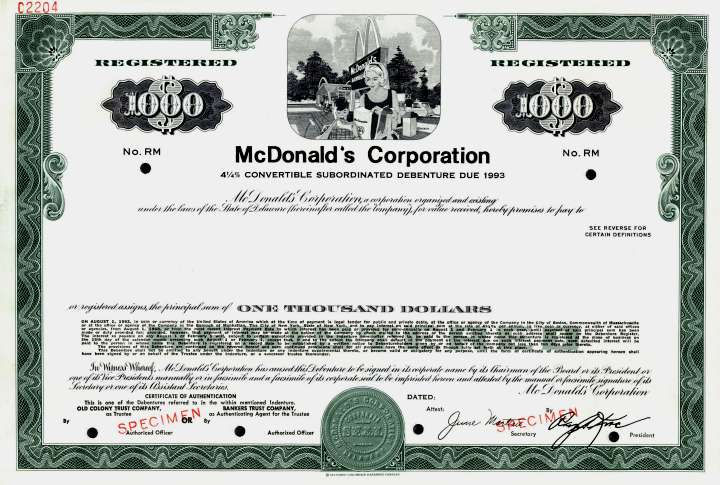
2. Corporate Bonds: Issued by corporations to raise capital. Generally, they offer higher returns than government bonds but come with higher risk.
Example: Apple Inc. issues corporate bonds to raise capital for various business activities, such as expansion or research and development.
3. Junk Bonds: High-yield bonds issued by companies with lower credit ratings. They carry a higher risk of default but offer higher returns.
Example: Bonds issued by Tesla Inc. with a below-investment-grade credit rating, offering higher yields but carrying higher risk due to the company's financial situation.
II.) Based on the place of issue:
1. Domestic Bonds: Issued and traded within a country's domestic market, denominated in the local currency.
Example: German government bonds (Bunds) issued and traded within Germany's domestic market and denominated in euros.

2. Foreign Bonds: Issued by a foreign entity but traded in the domestic market of another country, denominated in the currency of the country where it is issued.
Example: Japanese government bonds (JGBs) issued by the Japanese government but traded in the domestic market of another country, such as the United States.
3. Euro Bonds: Issued in a currency other than the currency of the country or market in which it is issued.
Example: Euro-denominated bonds issued by multinational corporations like Nestlé or Volkswagen to investors across various European countries.
III.) Based on maturity period:

1. Perpetual Bonds: Bonds with no maturity date, often referred to as perpetuities. They pay regular interest indefinitely.
Example: Several banks issue perpetual bonds that pay a fixed coupon indefinitely, such as HSBC Holdings plc's perpetual subordinated bonds.
2. Callable Bonds: Bonds that the issuer can redeem (call back) before the maturity date, typically at a predetermined price.
Example: Coca-Cola issues callable bonds that allow the company to redeem the bonds before maturity if interest rates fall, reducing its interest expense
3. Puttable Bonds: Bonds that give the bondholder the right to sell (put) the bond back to the issuer at a predetermined price before maturity.
Example: Ford Motor Company issues puttable bonds that allow bondholders to sell the bonds back to the company at a predetermined price before maturity if certain conditions are met.
IV.) Based on conversion:
1. Convertible Bonds: Bonds that can be converted into a predetermined number of shares of the issuer's common stock.
Example: Amazon issues convertible bonds that give bondholders the option to convert their bonds into a specified number of Amazon common stock shares.
2. Non-Convertible Bonds: Bonds that cannot be converted into stock.
Example: General Electric issues non-convertible bonds that cannot be converted into equity shares and pay fixed interest until maturity.
V.) Other type of bonds are:

1. Zero Coupon Bonds: Bonds that don't pay interest during the life of the bond but are sold at a discount and redeemed at face value at maturity. Example: The United States Treasury issues zero-coupon bonds, known as STRIPS (Separate Trading of Registered Interest and Principal of Securities), which are sold at a discount to face value and don't pay periodic interest.
2. Deferred Bonds: Bonds with postponed coupon payments until a specified date.
Example: Some municipalities issue deferred-interest bonds where interest payments are postponed for a certain period, such as New York City's Deferred Interest Water and Sewer System Revenue Bonds.
3. Inflation-Indexed Bonds: Bonds whose interest and principal payments are adjusted for inflation to protect investors against purchasing power erosion.
Example: The UK government issues inflation-linked bonds, known as index-linked gilts, which adjust both interest payments and the principal value based on changes in the Consumer Price Index (CPI).


Comments